How I Turned My Fashion Obsession Into Smart Investments Without Losing My Cool
We all love upgrading our wardrobe, but what if your fashion purchases could do more than just make you look good? I used to blow cash on trends I’d wear once—until I realized style and savings don’t have to be enemies. Through trial, error, and a few costly mistakes, I discovered how to treat fashion as a strategic part of my financial life. This isn’t about skipping lattes—it’s about rethinking how we spend on what we love. Fashion is personal, emotional, and often habitual. But when approached with intention, it can become a powerful tool for financial awareness, long-term value creation, and even wealth preservation. This is the story of how a simple shift in mindset transformed my closet—and my balance sheet.
The Hidden Cost of Looking Good
Fashion spending often flies under the radar, dismissed as a small indulgence or a necessary expense. A new blouse here, a pair of shoes there—each purchase feels minor in the moment. But when tallied over months or years, these choices reveal a significant financial footprint. For many women between 30 and 55, fashion is tied to identity, confidence, and self-expression. It’s not merely about clothes; it’s about feeling capable, put-together, and in control. Yet that emotional payoff can come at a steep economic cost. The average American household spends over $1,800 annually on apparel, according to U.S. Bureau of Labor Statistics data. For some, especially those influenced by social media or seasonal trends, that number climbs much higher—often without conscious tracking.
The danger lies in the invisibility of this spending. Unlike rent or groceries, clothing purchases are irregular and emotionally driven. A sale notification, a curated Instagram feed, or a moment of low self-esteem can trigger a purchase that feels justified in the moment but regrettable weeks later. This is the cycle of impulse fashion: buy, wear once or twice, forget. The clothes hang in the closet, unworn, while the credit card statement grows heavier. What begins as self-care can quietly evolve into financial stress, especially when such spending delays savings goals like building an emergency fund, paying off debt, or planning for retirement.
Marketing plays a powerful role in normalizing this behavior. Brands cultivate urgency with limited-time drops, influencer collaborations, and seasonal “must-haves.” The message is clear: to stay relevant, you must keep buying. But behind every trend is a business model designed to maximize turnover, not longevity. Fast fashion thrives on low prices and rapid obsolescence, encouraging consumers to treat clothing as disposable. The emotional appeal—looking fresh, feeling confident, fitting in—is real. But so is the financial toll. Recognizing this pattern is the first step toward breaking it. Awareness doesn’t mean giving up style; it means reclaiming agency over how and why you spend.
From Closet Chaos to Financial Clarity
The turning point came during a spring cleaning session that turned into an emotional audit. I stood in front of my closet, surrounded by shopping bags and unworn items, many still with tags attached. There was a silk dress I bought for a wedding I never attended, a designer handbag I used twice, and several sweaters that never quite fit right. The realization hit hard: this wasn’t a wardrobe—it was a storage unit for regretted purchases. More troubling was the number: over $3,000 in clothes I hadn’t worn more than three times. That amount could have funded a family vacation, made a significant dent in credit card debt, or seeded a retirement account. Instead, it was sitting idle, losing value with every passing season.
This moment of clarity sparked a fundamental shift in perspective. I began to see my wardrobe not just as a collection of clothes, but as a reflection of my financial habits. Every purchase told a story—about my emotions, my impulses, and my relationship with money. The question changed from “Do I like this?” to “Will this add lasting value to my life?” That subtle reframe marked the transition from passive consumer to intentional curator. I started asking deeper questions before buying: How many outfits can I create with this? Will I wear it in six months? Does it complement what I already own? These aren’t just style questions—they’re financial ones.
The emotional work was just as important as the financial. I had to confront the guilt and shame around past spending without letting it paralyze me. Financial growth isn’t about perfection; it’s about progress. I forgave myself for the mistakes and focused on building better systems. I created a 48-hour waiting rule for any non-essential purchase over $100. I began tracking every clothing expense in my budget, just like groceries or utilities. Most importantly, I started viewing fashion as part of my overall financial ecosystem, not a separate, indulgent category. This mindset shift didn’t eliminate shopping—it made it more purposeful, more sustainable, and ultimately more satisfying.
The Investment Mindset in Everyday Style
When most people hear “investment,” they think of stocks, bonds, or real estate. But investment is simply the act of allocating resources—time, money, attention—toward something that retains or increases in value. Applying this principle to fashion transforms the way we shop. Not every piece needs to appreciate in monetary value, but every purchase should be evaluated for its long-term utility and cost efficiency. A $200 coat that lasts ten years and is worn 100 times a year offers far more value than a $50 coat worn five times before falling apart. This is the essence of fashion as investment: prioritizing durability, versatility, and timeless appeal over fleeting trends.
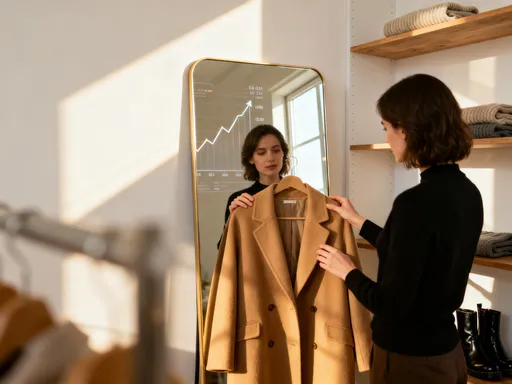
Investable fashion items share certain characteristics. First, they are made from high-quality materials—natural fibers like wool, cashmere, silk, or premium cotton that age well and resist wear. Second, they come from brands with a reputation for craftsmanship and consistency. These aren’t necessarily luxury labels, but companies known for attention to detail and enduring design. Third, they are versatile—pieces that can be dressed up or down, layered easily, and worn across multiple seasons. A classic trench coat, a well-tailored blazer, or a pair of leather ankle boots often meet these criteria. These items become the foundation of a functional, adaptable wardrobe.
Some fashion pieces do appreciate in value, particularly limited-edition releases, vintage designer items, or culturally significant collaborations. While not every shopper should expect to profit from resale, understanding which items hold value can inform smarter buying decisions. For example, a limited-run handbag from a respected brand may retain 70% or more of its value on the resale market, while a fast-fashion equivalent loses nearly all worth within a year. This isn’t about turning your closet into a trading floor—it’s about recognizing that not all spending is equal. Some purchases are pure consumption; others are assets in disguise. The goal is to increase the ratio of the latter over time.
Spotting Value in a Saturated Market
In today’s digital marketplace, consumers face an overwhelming number of choices. Online retailers, social media ads, and influencer promotions create a constant stream of “must-have” items. But not all products are created equal, and price alone is a poor indicator of value. A $300 dress may be overpriced for its quality, while a $150 piece from a lesser-known brand might offer superior craftsmanship. The key is learning how to evaluate clothing beyond the label or the influencer’s endorsement. This requires developing a discerning eye for quality and a disciplined approach to research.
Start with the details. Examine stitching—tight, even seams with no loose threads indicate care in construction. Check fabric weight and drape; heavier, denser materials often signal durability. Look inside: a well-lined garment with clean finishing is more likely to last. Buttons should be securely attached, preferably made of natural materials like horn or wood. Zippers should glide smoothly and be made by reputable brands like YKK. These signs may seem minor, but they reflect the overall integrity of the piece. Over time, noticing these details becomes second nature, allowing for quicker, more confident decisions.
Next, consider cost-per-wear—a powerful metric for assessing true value. Divide the price of an item by the number of times you expect to wear it. A $200 pair of jeans worn 100 times costs just $2 per wear. The same jeans worn five times cost $40 per wear—more than many premium pairs. This calculation shifts focus from upfront price to long-term utility. It also encourages thoughtful use: if you own fewer, better pieces, you’re more likely to care for them and wear them often. Platforms like Poshmark, The RealReal, or Vestiaire Collective provide real-world data on what holds value. If a brand’s pieces consistently sell well in the resale market, that’s a strong signal of lasting appeal.
Finally, resist the pull of hype. Limited drops and influencer campaigns create artificial scarcity and FOMO (fear of missing out). But just because something sells out fast doesn’t mean it’s valuable. Ask yourself: Would I buy this if no one famous wore it? Does it fit my lifestyle, or am I chasing a fantasy? Slowing down the decision process—waiting 24 to 72 hours before purchasing—can dramatically reduce impulse buys. This cooling-off period allows emotions to settle and logic to return, leading to more aligned choices.
Building a Style Portfolio That Works for You
Just as a financial portfolio balances risk and return through diversification, a well-constructed wardrobe balances function, versatility, and personal expression. The concept of a “style portfolio” reframes fashion as a strategic asset allocation. Instead of chasing every trend, you build a core collection of pieces that work together, maximize outfit combinations, and adapt to changing needs. This approach reduces decision fatigue, minimizes waste, and increases satisfaction with what you own.
A balanced style portfolio includes three main categories: staples, statement pieces, and seasonal accents. Staples are the foundation—neutral-colored, well-fitting items like a white button-down, dark jeans, a black blazer, or a camel coat. These are worn frequently, mix easily, and rarely go out of style. Statement pieces add personality—a bold coat, an elegant dress, or unique accessories. These are purchased more selectively and serve as focal points in outfits. Seasonal accents are trend-influenced items that refresh the look without overhauling the wardrobe—scarves, shoes, or lightweight layers that can be rotated in and out.
The exact composition depends on individual factors: climate, work environment, family responsibilities, and budget. A woman in a cold climate might prioritize outerwear and layering pieces, while someone in a warmer region focuses on breathable fabrics and sun protection. A professional in a corporate setting may need more tailored pieces, while a stay-at-home parent values comfort and durability. The goal is alignment—your wardrobe should reflect your real life, not an aspirational fantasy. By auditing your current closet and identifying gaps, you can make targeted purchases that enhance functionality rather than add clutter.
Accessories play a crucial role in extending the life of your wardrobe. A few well-chosen scarves, belts, or jewelry pieces can transform a single outfit into multiple looks. Rotating accessories is a low-cost way to feel fresh and stylish without buying new clothing. Similarly, strategic layering—adding a cardigan, vest, or blazer—can adapt an outfit for different occasions. These small adjustments create variety from simplicity, turning a smaller wardrobe into a more dynamic one.
Risk Control: Avoiding Fashion Financial Pitfalls
Even with the best intentions, fashion spending carries risks. Overpaying, misjudging trends, emotional buying, and poor fit are common pitfalls that can undermine financial progress. The key to avoiding these mistakes isn’t perfection—it’s preparation. Just as investors use diversification and stop-loss orders to manage risk, fashion-savvy consumers can adopt similar strategies to protect their budgets and maximize value.
One of the most effective tools is a personal spending rule. This could be a monthly clothing budget, a cap on single-item prices, or a requirement to wait before making high-value purchases. For example, limiting non-essential fashion spending to 5% of take-home pay creates a clear boundary. Another strategy is the “one in, one out” rule: for every new item purchased, one old item is donated or sold. This prevents closet inflation and encourages mindful acquisition. Tracking purchases in a dedicated log or app increases accountability and reveals spending patterns over time.
Emotional buying is perhaps the hardest risk to control. Stress, boredom, loneliness, or a desire for control can trigger retail therapy. Recognizing these triggers is the first step toward managing them. Instead of shopping, try alternative coping strategies: a walk, a phone call with a friend, journaling, or a short meditation. If the urge persists, revisit the item after a cooling-off period. Often, the desire fades, revealing the purchase as impulse rather than need. When emotional buying does occur, treat it with compassion, not shame. The goal is awareness, not self-punishment.
Fit and function are also critical. A beautifully designed dress is of little value if it doesn’t fit well or suit your lifestyle. Always prioritize comfort and practicality. If you’re unsure about fit, order multiple sizes and return what doesn’t work. Avoid buying “someday” clothes—items you plan to wear when you lose weight or start a new job. These rarely get worn and become sources of guilt. Instead, dress for the life you’re living now. Finally, be cautious with trend-driven purchases. While some trends are worth embracing, others fade quickly. Ask yourself: Does this align with my personal style, or am I following the crowd? Investing in timeless pieces reduces the risk of regret and increases long-term satisfaction.
When Fashion Meets Finance: A Sustainable Win-Win
The journey from impulsive shopper to intentional curator is about more than saving money—it’s about gaining control. By treating fashion as a financial decision, not just an emotional one, we align our spending with our values, goals, and lifestyle. This shift doesn’t require giving up style or joy. On the contrary, it enhances both. When you own fewer, better pieces, you feel more confident, more organized, and more in tune with who you are. The clutter fades, and clarity emerges.
Moreover, this approach fosters broader financial discipline. The skills developed—budgeting, delayed gratification, value assessment—apply to other areas of life. You become more mindful of subscriptions, home goods, and even groceries. The mindset of investment over consumption creates a ripple effect, improving overall financial health. And because the changes are gradual and personalized, they’re sustainable. This isn’t a crash diet for your closet; it’s a long-term lifestyle upgrade.
There’s also an environmental benefit. By buying less and choosing well, we reduce waste, lower our carbon footprint, and support more responsible production. This isn’t about perfection—it’s about progress. Every high-quality piece that replaces five fast-fashion items is a small victory for both your wallet and the planet. The resale market further extends the life of clothing, creating a circular economy where value is preserved, not lost.
In the end, fashion and finance aren’t opposites. They’re partners in a more intentional way of living. Style is not the enemy of savings; thoughtless spending is. By rethinking our relationship with clothing, we gain not just a better wardrobe, but greater financial confidence, emotional clarity, and long-term peace of mind. The most valuable thing you can wear isn’t a designer label—it’s the quiet assurance that you’re in control of your choices, your money, and your life.