Living Well with Long-Term Conditions: Smart, Sustainable Health Habits That Work
Chronic diseases affect millions, but managing them doesn’t mean living less. I’ve seen how small, consistent choices—like tracking symptoms, adjusting daily routines, and staying connected with care teams—lead to real improvements. This isn’t about quick fixes, but building a life that supports your health. Let’s explore how to align everyday habits with medical guidelines for lasting well-being.
Understanding Chronic Disease Management – Beyond the Diagnosis
Living with a long-term health condition means more than receiving a diagnosis—it means stepping into a new phase of daily awareness and responsibility. Chronic diseases such as type 2 diabetes, high blood pressure, arthritis, and heart disease are not illnesses that go away with a round of medication. Instead, they require ongoing attention, lifestyle adjustments, and regular communication with healthcare providers. Unlike acute conditions like infections or injuries, which often have clear endpoints, chronic conditions are managed over years or even decades. The goal is not always a cure, but rather stability, symptom control, and prevention of complications.
Effective chronic disease management shifts the focus from crisis response to steady, proactive care. Instead of waiting for symptoms to worsen, individuals learn to monitor their bodies, follow treatment plans, and make informed choices that support long-term health. This approach relies heavily on established health standards—guidelines developed from years of clinical research and real-world outcomes. These standards help ensure that care is consistent, safe, and effective, no matter where or by whom it is delivered. For example, standardized protocols for blood sugar monitoring in diabetes or blood pressure checks in hypertension allow for reliable tracking and timely interventions.
One of the most important realizations for those adjusting to life with a chronic condition is that they are not alone in this journey. Millions of people live full, active lives while managing long-term health issues. The key lies in understanding the condition, accepting the need for routine care, and recognizing that small, daily actions add up to meaningful results. It’s not about perfection, but about consistency. Over time, habits like taking medication at the same time each day, checking in with a doctor regularly, and making mindful food choices become second nature. These routines form the foundation of effective self-management and empower individuals to take charge of their well-being.
The Hidden Struggles: Daily Life with a Chronic Condition
Beneath the surface of medical appointments and treatment plans lies a world of quiet challenges that many people with chronic conditions face every day. Fatigue, pain, and unpredictable symptoms can disrupt even the simplest routines. A mother with rheumatoid arthritis may struggle to prepare breakfast for her children on stiff, painful mornings. An office worker with type 2 diabetes might feel overwhelmed by the constant need to check blood sugar, count carbohydrates, and avoid certain foods while surrounded by tempting office snacks. These are not isolated incidents—they reflect the real-life tension between medical advice and daily reality.
Emotional strain often accompanies physical symptoms. The uncertainty of not knowing how a condition will progress can lead to anxiety. Some people feel isolated, especially if friends or family don’t fully understand what they’re going through. Others experience guilt when they miss work or can’t participate in family events. There may be moments of frustration when efforts don’t seem to yield results, or when a well-followed routine is derailed by an unexpected flare-up. These emotional burdens can affect motivation and make it harder to stick with treatment plans, even when the benefits are clear.
Another common challenge is the complexity of managing multiple tasks—taking several medications at different times, attending regular appointments, tracking symptoms, and adjusting activities based on how one feels. For someone juggling work, caregiving, or household responsibilities, these demands can feel overwhelming. It’s not uncommon for people to skip doses, delay check-ups, or avoid difficult conversations with doctors because they feel too tired, too busy, or too discouraged. This gap between clinical recommendations and everyday life is one of the biggest obstacles to effective chronic disease management.
Recognizing these struggles is the first step toward addressing them. When healthcare providers acknowledge the emotional and practical difficulties of living with a long-term condition, they can offer more realistic, compassionate support. Patients, too, can benefit from understanding that these challenges are normal and shared by many. Solutions don’t have to be dramatic—small adjustments, like simplifying medication schedules or using reminder tools, can make a big difference. The goal is not to eliminate all difficulties, but to find ways to navigate them with greater confidence and resilience.
Why Health Standards Matter – Your Roadmap to Stability
Health standards serve as a reliable roadmap for managing chronic conditions. These are not arbitrary rules, but carefully developed guidelines based on extensive research, clinical trials, and long-term patient outcomes. They provide a common framework that helps doctors, nurses, and specialists deliver consistent, high-quality care. For individuals living with chronic diseases, these standards offer clarity and direction. They answer questions like: How often should I see my doctor? What signs should I watch for? When should I seek help? Having clear benchmarks helps reduce confusion and supports better decision-making.
One of the most important roles of health standards is preventing complications. For example, consistent monitoring of blood sugar levels in diabetes helps reduce the risk of nerve damage, vision problems, and kidney disease. Similarly, keeping blood pressure within recommended ranges lowers the chances of heart attack or stroke. These standards are not about achieving perfection, but about staying within a safe zone that minimizes long-term risks. They are designed to be practical, achievable, and adaptable to individual needs.
Standards also play a crucial role in coordinating care, especially when multiple providers are involved. A person with heart disease might see a primary care physician, a cardiologist, and a dietitian. Without shared guidelines, there’s a risk of conflicting advice or missed steps in treatment. Health standards ensure that everyone on the care team is working toward the same goals, using the same evidence-based practices. This coordination improves safety, reduces errors, and enhances the overall effectiveness of care.
It’s important to remember that health standards are not rigid rules carved in stone. They are flexible enough to be tailored to individual circumstances. For example, a blood pressure target might be adjusted based on age, other health conditions, or personal risk factors. The key is collaboration—discussing these standards with healthcare providers, asking questions, and understanding how they apply to one’s unique situation. When patients are informed and involved, they are more likely to follow through with care plans and feel confident in their choices.
Building Your Personal Management Plan – Structure Meets Flexibility
A personalized chronic disease management plan is not a one-size-fits-all checklist, but a living document that evolves with changing needs. At its core, such a plan includes four key components: monitoring symptoms and vital signs, managing medications, making lifestyle adjustments, and scheduling regular check-ins with healthcare providers. The structure provides a sense of order and purpose, while the flexibility allows for real-life variations in energy, schedule, and health status.
Creating this plan should be a collaborative effort between the individual and their care team. Doctors, nurses, and specialists bring medical expertise, while patients contribute firsthand knowledge of their daily experiences. Together, they can identify realistic goals and practical steps. For example, instead of setting a vague goal like “eat healthier,” the plan might include specific actions such as preparing three home-cooked meals per week or reducing sugary drinks to one per day. These small, measurable steps are more likely to be sustained over time.
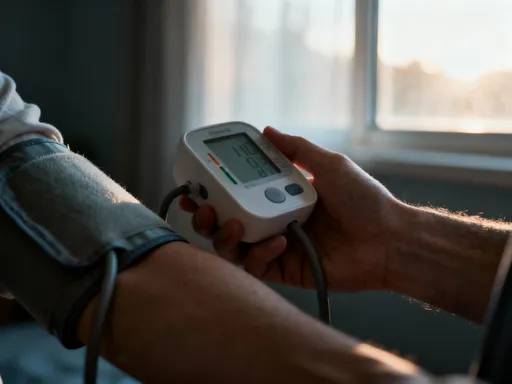
Tools can greatly enhance the effectiveness of a management plan. Symptom journals, mobile apps, and reminder systems help track progress and maintain consistency. A person with hypertension might use a home blood pressure monitor and record readings in a digital log that can be shared with their doctor. Someone with arthritis might use a calendar app to schedule gentle stretching exercises and medication times. These tools turn abstract goals into concrete actions, making it easier to stay on track.
Equally important is preparing for medical appointments. Bringing a written summary of symptoms, medication changes, or concerns helps make the most of limited visit time. It also ensures that important issues are not forgotten in the moment. Over time, the management plan will need updates—perhaps due to changes in symptoms, new medications, or shifts in personal priorities. Regular reviews with healthcare providers ensure the plan remains relevant and supportive of long-term well-being.
Lifestyle That Fits: Nutrition, Movement, and Rest
Sustainable lifestyle habits are the cornerstone of chronic disease management. Unlike short-term diets or intense fitness programs, the most effective changes are those that can be maintained over time without causing stress or burnout. Three pillars—nutrition, movement, and rest—form the foundation of daily health and play a direct role in managing conditions like diabetes, heart disease, and arthritis.
Nutrition does not require strict restrictions or eliminating entire food groups. Instead, the focus should be on balance and consistency. Eating a variety of vegetables, whole grains, lean proteins, and healthy fats helps regulate blood sugar, support heart health, and reduce inflammation. Simple strategies like meal prepping on weekends, using smaller plates to manage portions, or drinking water before meals can make a meaningful difference. It’s not about being perfect—occasional treats are part of a realistic, livable plan. What matters most is the overall pattern of eating, not isolated choices.
Movement is equally important, but it doesn’t have to mean intense workouts. For many, a daily walk around the neighborhood, gardening, or gentle yoga provides enough physical activity to improve circulation, strengthen muscles, and boost mood. The key is consistency. Even 20 to 30 minutes of moderate activity most days of the week can have significant benefits. People with joint pain or fatigue can adapt by breaking activity into shorter sessions—five or ten minutes at a time—spread throughout the day. The goal is to move the body regularly, not to push to exhaustion.
Sleep and rest are often overlooked, yet they are essential for healing and regulation. Poor sleep can worsen inflammation, increase blood pressure, and impair glucose control. Creating a restful routine—such as setting a consistent bedtime, limiting screen time before bed, and keeping the bedroom cool and quiet—can improve sleep quality. Rest also includes mental breaks during the day. Taking a few minutes to breathe deeply, sit quietly, or enjoy a cup of tea can reduce stress and support overall well-being. When nutrition, movement, and rest work together, they create a powerful support system for managing chronic conditions.
The Power of Monitoring – Data You Can Trust
Self-monitoring is one of the most valuable tools in chronic disease management, yet it is often misunderstood. It is not about obsession or constant worry, but about gathering useful information to guide decisions. Tracking symptoms, vital signs, or daily habits provides a clearer picture of how a condition is progressing and how well treatments are working. This data becomes a bridge between doctor visits, helping both patients and providers spot patterns and make informed adjustments.
For example, someone with asthma might track their peak flow readings and note when symptoms worsen during certain activities or weather conditions. A person with diabetes might log blood sugar levels before and after meals to understand how different foods affect their body. Even mood and energy levels can be meaningful—tracking them over time may reveal links between stress, sleep, and physical symptoms. The act of recording this information increases awareness and encourages proactive management.
There are many ways to monitor health, from simple paper journals to smartphone apps with built-in reminders and charts. The best method is the one that fits easily into daily life. Some people prefer writing in a notebook, while others find digital tools more convenient. The important thing is consistency and accuracy. It’s also crucial to avoid overinterpreting data. A single high blood pressure reading or elevated blood sugar level does not necessarily mean something is wrong. Trends over time are more meaningful than isolated numbers.
Monitoring should always be done in partnership with a healthcare provider. Sharing logs or reports during appointments allows for more productive conversations. Instead of relying on memory, patients can point to actual data to describe their experiences. This strengthens trust and ensures that care decisions are based on reliable information. When used wisely, monitoring empowers individuals to take an active role in their health without feeling overwhelmed.
Staying Connected: The Role of Support and Communication
No one should have to manage a chronic condition alone. Support from healthcare providers, family, and peers plays a vital role in long-term success. Clear, honest communication with doctors is especially important. Many people hesitate to share concerns, fearing they will be seen as difficult or overly anxious. But open dialogue leads to better care. Preparing questions before appointments—such as how a new symptom might relate to a condition or whether a medication side effect is normal—helps ensure that all concerns are addressed.
Bringing a symptom log, medication list, or personal health summary to appointments makes conversations more efficient and focused. It also helps providers see the full picture. If multiple specialists are involved, one doctor may serve as a coordinator to ensure all treatments are aligned. Patients should feel comfortable asking for clarification when something is unclear. Understanding the “why” behind medical advice increases the likelihood of following through.
Emotional support from family and friends is equally valuable. Loved ones can help with practical tasks, offer encouragement, or simply listen without judgment. Support groups—whether in person or online—provide a space to share experiences and learn from others facing similar challenges. Hearing how someone else manages fatigue, handles medication routines, or talks to their doctor can be both reassuring and inspiring.
At the same time, it’s important to set boundaries and communicate needs clearly. Not everyone will understand the daily realities of living with a chronic condition, and that’s okay. What matters is finding a few trusted people who can offer meaningful support. Building a strong support network doesn’t happen overnight, but each connection contributes to greater resilience and well-being.
Conclusion: Redefining Wellness on Your Terms
Living well with a chronic condition is not about returning to who you were before diagnosis, but about creating a new kind of wellness—one that honors your limits while maximizing your potential. It’s a journey of small, consistent choices that add up to real change over time. There will be setbacks and days when motivation is low, but progress is not measured by perfection. It’s measured by showing up, doing your best, and adjusting when needed.
The most effective approach combines medical guidance with personal insight. Health standards provide a reliable framework, but your daily habits, preferences, and experiences shape how that framework is applied. A management plan that includes monitoring, medication, lifestyle habits, and strong communication with care providers creates a solid foundation. When supported by nutrition, movement, rest, and meaningful connections, it becomes a sustainable way of life.
Self-compassion is just as important as any medical treatment. There is no shame in needing help, in having bad days, or in adjusting goals. Wellness is not a destination, but a continuous process of learning, adapting, and growing. By focusing on what you can control—your routines, your mindset, your support network—you reclaim a sense of agency and hope.
Managing a chronic condition is not easy, but it is possible to thrive within its boundaries. With the right tools, knowledge, and support, you can build a life that is not defined by illness, but enriched by resilience, purpose, and small, daily victories. Wellness is not out of reach—it is here, in every smart, sustainable choice you make.