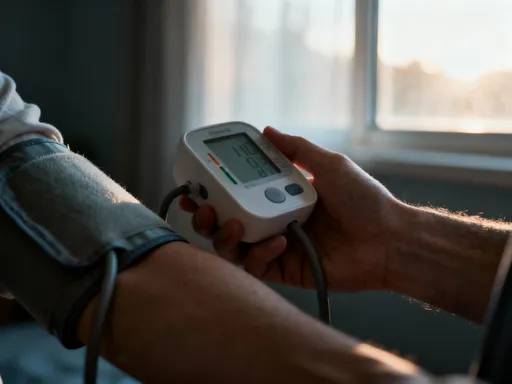
Why Tracking My Sleep Changed Everything — A Science-Backed Journey
For years, I tossed and turned every night, chasing sleep like it was a ghost. I tried everything—herbal teas, meditation, even counting sheep. But nothing clicked until I started tracking my sleep. Not just how long I slept, but when I woke, how I felt, and what I did before bed. It felt geeky at first, but the data didn’t lie. Patterns emerged, small changes made big differences, and for the first time in years, I woke up feeling refreshed. This is how science and self-monitoring turned my insomnia around.
The Hidden Cost of Poor Sleep
Sleep is not a luxury—it is a biological necessity. Yet millions of people, particularly women between the ages of 30 and 55, struggle with chronic sleep difficulties. Insomnia, defined as persistent trouble falling asleep, staying asleep, or waking up without feeling rested, affects cognitive function, emotional regulation, and long-term health. Symptoms often begin subtly: lying awake for more than 30 minutes at night, waking multiple times, or rising with a sense of exhaustion despite spending eight hours in bed. These are not minor inconveniences; they are warning signs of a deeper imbalance.
The consequences of poor sleep extend far beyond daytime fatigue. Brain fog becomes a constant companion, making it difficult to concentrate on daily tasks, remember appointments, or follow conversations. Decision-making slows, and the ability to multitask diminishes. Emotionally, sleep deprivation lowers the threshold for frustration, leading to mood swings and increased irritability. A mother who hasn’t slept well may find herself snapping at her children over small matters, only to regret it later. These emotional reactions are not character flaws—they are physiological responses to a body and mind operating in survival mode.
Research consistently links chronic sleep disruption to a higher risk of long-term health conditions. While no single study claims that poor sleep directly causes diseases, strong associations exist with hypertension, type 2 diabetes, weakened immune function, and increased inflammation. The body repairs tissues, consolidates memories, and regulates hormones during deep sleep. When that process is repeatedly interrupted, the cumulative toll can compromise overall resilience. For women in midlife, who may already be managing hormonal shifts, caregiving responsibilities, and career demands, poor sleep can become a tipping point that affects every area of life.
What makes insomnia particularly frustrating is its invisibility. Unlike a broken bone or an infection, there is no visible injury, no lab test that immediately confirms the problem. This often leads to dismissal—by others and by oneself. Women may internalize the message that they should simply “push through” or “do better,” when in reality, their bodies are signaling a need for rest that is not being met. Recognizing that sleep is not optional, but foundational, is the first step toward meaningful change.
Why Traditional Fixes Fall Short
Most people begin their journey to better sleep with familiar advice: drink chamomile tea, avoid screens before bed, take a warm bath, or practice deep breathing. While these suggestions are not without merit, they often fail because they are generic. What works for one person may do little for another. A warm glass of milk might relax someone with a calm nervous system, but for someone whose cortisol levels spike at night due to stress, it will not address the root cause. The problem with one-size-fits-all solutions is that they treat symptoms, not patterns.
Over-the-counter sleep aids are another common recourse. Melatonin supplements, antihistamines, and herbal blends are widely available and often marketed as “natural” and safe. While melatonin can be helpful for circadian rhythm disruptions—such as jet lag or shift work—its effectiveness for chronic insomnia is limited and inconsistent. Moreover, long-term reliance on sleep medications, even mild ones, can lead to dependency or diminished natural sleep drive. These products may induce drowsiness, but they do not teach the body how to sleep well on its own.
The deeper issue lies in the lack of personal insight. Without understanding individual triggers, people are left guessing. Did that second cup of coffee at 3 p.m. disrupt your sleep? Was it the argument with your partner before bedtime? Or the habit of checking work emails in the dark? Without data, it’s nearly impossible to know. This is where traditional advice falls short: it assumes that everyone has the same sleep architecture, the same stress responses, and the same daily routines. In reality, sleep is deeply personal, shaped by lifestyle, environment, biology, and psychology.
For many women, the turning point comes not from trying another remedy, but from asking a different question: What is actually happening in my sleep? Instead of relying on intuition or habit, they begin to look for evidence. This shift—from guessing to observing—is what opens the door to real progress.
The Power of Health Monitoring: Seeing Beyond Feelings
Human memory is unreliable, especially when it comes to sleep. We may believe we only slept four hours, but a tracking device shows six. Or we may think we fell asleep quickly, when in fact it took nearly an hour. Feelings are important, but they are subjective. Tracking introduces objectivity. It transforms vague discomfort into measurable patterns, allowing individuals to see their sleep as it truly is, not as they remember it.
Health monitoring does not require medical equipment or clinical visits. Simple tools are now accessible to almost anyone. A sleep diary—a notebook or digital log where one records bedtime, wake time, nighttime awakenings, and morning energy—can reveal trends over time. For greater detail, wearable devices such as fitness trackers or smartwatches measure heart rate variability, movement, and estimated sleep stages. Smartphone apps use sound and motion detection to infer sleep quality. While no consumer device is 100% accurate, their consistency over time provides valuable insights.
The real power of tracking lies in its ability to connect behavior with outcome. For example, a woman might notice that on nights when she exercises in the evening, her sleep latency increases. Or that after drinking wine with dinner, she wakes up more frequently. These observations are not assumptions—they are data points. Over weeks, they form a picture of what supports restful sleep and what undermines it.
For many, the act of tracking also creates a sense of accountability. Writing down bedtime or reviewing a sleep score encourages mindfulness about daily choices. It shifts sleep from a passive experience to an active practice. This is especially valuable for women who prioritize others’ needs over their own. Monitoring sleep becomes a form of self-care—a way to honor one’s health with attention and intention.
What to Track—and Why It Matters
Effective tracking is not about collecting every possible metric, but about focusing on the most meaningful ones. The goal is clarity, not overwhelm. Key variables include bedtime, wake time, sleep latency (how long it takes to fall asleep), number of nighttime awakenings, and morning energy level. Each of these provides a window into sleep quality and its underlying causes.
Bedtime and wake time reveal sleep regularity. The body thrives on consistency. Going to bed and waking at similar times—even on weekends—helps stabilize the circadian rhythm, the internal clock that regulates alertness and drowsiness. Irregular schedules, such as staying up late on weekends and sleeping in, can create a form of social jet lag that disrupts sleep quality during the week.
Sleep latency is a sensitive indicator of pre-sleep habits. A healthy range is typically 10 to 20 minutes. Falling asleep instantly may suggest sleep deprivation, while taking more than 30 minutes often points to stress, caffeine, or poor sleep hygiene. Tracking this metric over time can highlight the impact of behavioral changes, such as reducing screen time or practicing relaxation techniques.
Nighttime awakenings are often underreported. Many people forget how many times they wake up unless they record it. Frequent arousals, even if brief, fragment sleep and reduce restorative deep sleep and REM cycles. Causes can include stress, room temperature, noise, or medical conditions like sleep apnea. Identifying patterns—such as waking at the same time each night—can point to hormonal fluctuations or subconscious anxiety.
Morning energy level is a subjective but crucial measure. It reflects how well sleep restored the body and mind. Rating energy on a scale of 1 to 10 each morning, alongside other data, helps link sleep quality to daytime functioning. Over time, this can reveal which nights truly mattered and which habits made a difference.
From Data to Action: Making Smarter Choices
Data alone does not improve sleep—action does. The value of tracking lies in its ability to guide informed decisions. Consider the case of Sarah, a 42-year-old teacher and mother of two. For months, she struggled with waking up at 3 a.m., unable to fall back asleep. She tried meditation and cutting out caffeine, but nothing helped. After two weeks of tracking, she noticed a pattern: on nights when she reviewed her students’ exams after dinner, her sleep latency increased and her morning energy dropped. The mental load of grading was activating her brain too close to bedtime.
With this insight, Sarah shifted her grading to earlier in the evening and replaced it with a quiet reading habit. Within a week, her 3 a.m. awakenings decreased. She didn’t need a drastic lifestyle overhaul—just one targeted change based on evidence. This is the essence of data-driven improvement: small, sustainable adjustments that address real triggers.
Another common discovery is the impact of light exposure. Many women report improved sleep after tracking reveals that late-night screen use correlates with difficulty falling asleep. Blue light from phones and tablets suppresses melatonin production, delaying the body’s natural wind-down process. Once seen in data, this connection becomes harder to ignore. Solutions like using night mode settings, setting a digital curfew, or switching to paperback books become meaningful choices, not abstract suggestions.
The key is to focus on one or two changes at a time. Trying to fix everything at once leads to frustration and burnout. Tracking helps prioritize: if bedtime is highly variable, stabilizing it should come before optimizing sleep environment. If awakenings are frequent, addressing stress or room conditions may be more urgent than adjusting diet. This step-by-step approach builds confidence and momentum.
The Science Behind the Shift
Understanding the biology of sleep enhances the value of tracking. Two primary systems regulate sleep: the circadian rhythm and sleep homeostasis. The circadian rhythm is the body’s 24-hour internal clock, influenced by light, temperature, and routine. It promotes alertness during the day and drowsiness at night. Sleep homeostasis, on the other hand, is like a sleep pressure gauge. The longer one is awake, the more pressure builds to sleep. This pressure dissipates during rest, particularly during deep sleep.
When these systems are aligned, sleep comes more easily. But modern life often disrupts them. Irregular schedules, artificial light, and chronic stress throw the circadian rhythm off balance. Meanwhile, poor sleep or napping late in the day reduces sleep pressure, making it harder to fall asleep at night. Tracking helps realign these systems by revealing misalignments and guiding corrective actions.
For example, if data shows long sleep latency and low morning energy, it may indicate low sleep pressure at bedtime—perhaps due to a long afternoon nap. If awakenings are frequent and energy is low, it may suggest insufficient deep sleep, possibly due to stress or alcohol consumption. By linking symptoms to underlying mechanisms, tracking transforms abstract concepts into actionable knowledge.
Behavioral interventions for insomnia, such as cognitive behavioral therapy for insomnia (CBT-I), are supported by decades of research. These approaches emphasize sleep restriction, stimulus control, and cognitive restructuring—all of which rely on accurate self-monitoring. Tracking is not a replacement for professional treatment, but it is a powerful first step that aligns with evidence-based practices.
Building a Sustainable Sleep Routine
The goal of tracking is not perfection, but progress. Some nights will still be restless, and that is normal. The aim is to develop awareness and consistency over time. To avoid burnout, it’s important to integrate tracking gradually. Start with a simple sleep diary for one week. Record only bedtime, wake time, and energy level. Once that habit is stable, add one more metric, such as nighttime awakenings or pre-sleep activities.
Habit stacking can make the process easier. For example, after brushing teeth, take one minute to log sleep data. Or pair tracking with a calming ritual, like sipping herbal tea or writing in a journal. The act of recording becomes part of the wind-down routine, reinforcing the intention to sleep well.
It’s also important to avoid obsession. Tracking should empower, not stress. If reviewing sleep data causes anxiety, take a break. Use tracking in cycles—four weeks on, one week off—or focus only on specific concerns, such as adjusting bedtime or evaluating a new routine. The data is a tool, not a judge.
Long-term success comes from consistency, not intensity. Small, repeated actions—going to bed 15 minutes earlier, reducing screen time, managing stress—accumulate into lasting change. Over time, the need for constant tracking may decrease as healthy patterns become automatic. The insights gained remain, guiding choices even without daily logs.
Sleep isn’t just time spent unconscious—it’s foundational to how we live. For those battling insomnia, health monitoring isn’t about perfection; it’s about clarity. By seeing the invisible patterns behind restless nights, we gain the power to change them. This isn’t a quick fix, but a lasting shift—one data point at a time. Always consult a healthcare professional for persistent sleep issues, but let science and self-awareness be your first allies.