Postpartum Clues Your Body Sends—And How to Respond Right
After giving birth, your body whispers important messages—fatigue, mood shifts, slow healing. These aren’t just “normal struggles”—they’re health indicators signaling deeper needs. I’ve seen too many women ignore them, thinking they should just “tough it out.” But postpartum recovery isn’t about endurance. It’s about paying attention. When we track the real signals—from sleep quality to pelvic strength—we empower healing with clarity, not guesswork. These clues, when understood and honored, become the foundation of a strong, sustainable recovery. This journey is not one-size-fits-all; it’s deeply personal, dynamic, and worthy of informed care.
Understanding Postpartum Recovery as a System
Postpartum recovery extends far beyond the commonly cited six-week window. For many women, it unfolds over several months—or even longer—as the body gradually returns to a new equilibrium. This process is not linear, nor is it uniform. It involves a complex interplay of physical healing, hormonal recalibration, emotional adjustment, and lifestyle adaptation. Viewing postpartum recovery as a system—where each element influences the others—helps explain why isolated interventions often fall short. For example, improving sleep may positively affect mood, which in turn supports better eating habits and physical healing. Conversely, ignoring persistent fatigue can worsen emotional well-being and delay tissue repair.
A systematic approach allows women to move beyond simply enduring the postpartum period and instead engage with it intentionally. This means recognizing that symptoms are not random inconveniences but interconnected signals. Uterine involution, hormone fluctuations, energy levels, and emotional shifts are not standalone issues—they are data points within a larger recovery framework. When treated as such, women can respond with greater precision and compassion. Rather than asking, “When will I feel like myself again?” a more empowering question becomes, “What is my body telling me right now, and how can I support it?”
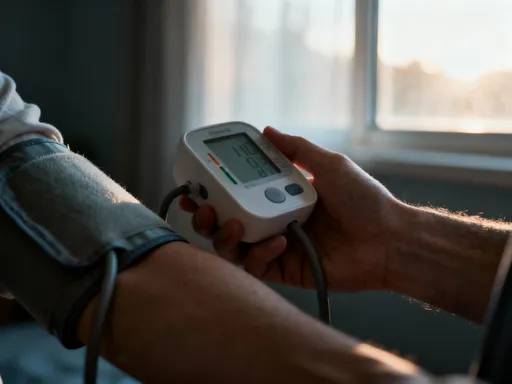
Health indicators during this time function much like vital signs in a clinical setting. Just as a doctor monitors blood pressure, heart rate, and temperature, new mothers can track measurable signs of recovery: sleep duration, emotional stability, pelvic floor strength, and hydration habits. These markers offer real-time feedback about internal progress. They help distinguish between normal adaptation and signs that professional support may be needed. By treating postpartum recovery as a dynamic system, women gain agency. They shift from passive recovery to active participation, making informed choices that honor their unique needs and timelines.
Key Physical Indicators: What Your Body Is Telling You
The physical changes after childbirth are profound, and the body provides clear signals about how healing is progressing. One of the most fundamental processes is uterine involution—the gradual shrinking of the uterus back to its pre-pregnancy size. This typically takes six to eight weeks and can be gently monitored by noticing the descent of the fundal height (the top of the uterus) over time. Mild cramping, especially during breastfeeding, is normal due to oxytocin-induced contractions. However, if the uterus remains enlarged beyond eight weeks, or if there is increasing pain or foul-smelling discharge, these may indicate infection or retained tissue, warranting medical evaluation.
Perineal healing is another key indicator, particularly for women who experienced tearing or an episiotomy. Initial discomfort is expected, but the trend should be one of gradual improvement. Redness, swelling, or sharp pain that worsens after the first few days could suggest poor healing or infection. Simple at-home observations—such as checking for increased warmth, unusual discharge, or difficulty sitting—can help identify concerns early. Using a mirror for gentle inspection, practicing proper hygiene, and applying cold or warm compresses as needed support optimal recovery. Stitches typically dissolve within a few weeks, but full tissue strength may take longer to restore.
Abdominal muscle separation, known as diastasis recti, affects many postpartum women. This condition occurs when the rectus abdominis muscles stretch apart along the linea alba, the connective tissue down the midline of the abdomen. A gap of one to two finger-widths is common and often resolves with time and appropriate exercise. However, a wider separation or one that doesn’t improve after 12 weeks may require guided rehabilitation. Women can perform a simple self-check by lying on their back, lifting the head slightly, and feeling for the gap above and below the navel. If a deep separation is detected, core retraining exercises should be prioritized over traditional crunches, which can worsen the condition.
Energy levels are also a crucial physical marker. While fatigue is expected with newborn care, persistent exhaustion that doesn’t improve with rest may signal underlying issues such as anemia, thyroid dysfunction, or inadequate nutrition. Listening to the body’s energy patterns—such as crashes after meals or sustained low motivation—can guide adjustments in diet, activity, and sleep support. Physical recovery is not just about healing tissues; it’s about restoring overall vitality. When women learn to read these signals early, they can take proactive steps that prevent longer-term complications and support a more resilient recovery.
Hormonal Shifts and Their Visible Effects
The postpartum period is marked by dramatic hormonal fluctuations that influence nearly every aspect of a woman’s well-being. During pregnancy, estrogen and progesterone levels rise to support fetal development. Immediately after birth, these hormones plummet, sometimes dropping to menopausal levels within days. This sudden shift plays a central role in mood regulation, skin health, hair growth, and metabolism. Understanding these changes helps normalize experiences that many women mistakenly interpret as personal shortcomings. Hair shedding, for example, typically begins around three months postpartum and can be alarming. However, this is not a sign of poor health but a natural response to the end of pregnancy’s hormonal environment, when hair that would have fallen out during pregnancy is now released.
Skin changes are another common effect. Some women notice increased acne or dryness, while others observe a return of pre-pregnancy skin conditions. These shifts are linked to the rebalancing of oil production and inflammation regulation as hormones stabilize. Similarly, changes in libido, vaginal dryness, and even body odor can be tied to low estrogen levels, especially in breastfeeding mothers. These are not permanent conditions but temporary phases of adjustment. The body is not failing; it is recalibrating.
Oxytocin, often called the “love hormone,” also plays a vital role during this time. Released during breastfeeding and skin-to-skin contact, it supports bonding and uterine contraction. However, its fluctuating levels can contribute to mood swings. When oxytocin surges are irregular or insufficient, women may feel emotionally raw or disconnected, even when they deeply love their baby. Recognizing this biological basis can reduce self-blame and encourage compassionate self-care.
Patience is essential. Hormonal balance typically takes several months to restore, and for breastfeeding mothers, it may take even longer. Strategies that support this process include consistent sleep when possible, balanced nutrition rich in healthy fats and proteins, stress reduction techniques like gentle breathing or mindfulness, and avoiding extreme dieting, which can further disrupt hormones. The goal is not to speed up the process but to create conditions where natural regulation can occur. When women understand that these changes are normal and temporary, they can respond with kindness rather than frustration.
Emotional Well-being as a Vital Sign
Emotional changes after childbirth are not signs of weakness—they are vital indicators of psychological adjustment. The arrival of a baby brings profound life changes, and the emotional response to this transition is both normal and necessary. Many women experience the “baby blues,” a temporary state of mood swings, tearfulness, and irritability that typically peaks around days 3 to 5 and resolves by two weeks. This is caused by hormonal shifts, sleep disruption, and the overwhelming nature of new responsibilities. However, when low mood, anxiety, or emotional numbness persist beyond two weeks, it may signal a need for additional support.
Distinguishing between normal adjustment and more serious concerns is critical. Postpartum anxiety, for example, often presents as excessive worry about the baby’s health, intrusive thoughts, or physical symptoms like rapid heartbeat and restlessness. Postpartum depression may include persistent sadness, loss of interest in activities, difficulty bonding with the baby, or feelings of worthlessness. These conditions are not character flaws or failures of willpower; they are medical conditions influenced by biological, psychological, and social factors. Recognizing them early increases the likelihood of effective intervention.
Simple self-monitoring tools can help women track their emotional state. Keeping a brief daily log of mood, sleep, and stress levels can reveal patterns over time. Apps or paper journals can be used to note when emotions feel overwhelming or when joy is absent for extended periods. Sharing these observations with a healthcare provider creates a clearer picture than relying on memory alone. Additionally, connecting with other mothers—through support groups or trusted friends—can reduce isolation and provide reassurance that struggles are shared, not shameful.
Emotional well-being is not a luxury; it is foundational to recovery. When mental health is prioritized, physical healing often follows. A mother who feels supported emotionally is more likely to eat regularly, rest when possible, and seek help when needed. Viewing emotional sensitivity as data—not deficiency—empowers women to respond with care rather than criticism. Seeking professional guidance is not a sign of failure but an act of strength and commitment to holistic healing.
Energy and Sleep: The Recovery Fuel Gauge
Energy levels and sleep quality serve as the body’s internal fuel gauge during postpartum recovery. Without adequate rest, healing slows, immune function weakens, and emotional resilience diminishes. Newborns wake frequently, often every two to three hours, making uninterrupted sleep rare. While this is expected, the cumulative effect of sleep fragmentation can significantly impact recovery. The body repairs tissues, regulates hormones, and consolidates memory primarily during deep sleep. When this process is repeatedly interrupted, even women who nap when the baby sleeps may still feel chronically depleted.
Understanding the difference between sleep quantity and sleep quality is important. A mother may sleep for six hours, but if those hours are broken into short segments, the restorative benefits are limited. Fragmented sleep disrupts circadian rhythms and reduces the production of growth hormone, which is essential for tissue repair. It also affects cognitive function, making decision-making, memory, and emotional regulation more difficult. This can create a cycle where fatigue leads to poor nutrition or reduced physical activity, which in turn worsens energy levels.
Practical strategies can help optimize rest within the constraints of newborn care. Co-sleeping in a safe setup—such as a sidecar bassinet—can reduce the effort required to feed and soothe the baby at night. Enlisting a partner or family member to handle nighttime duties for a few hours allows for a longer stretch of sleep. Even two to three hours of continuous rest can significantly improve next-day functioning. During the day, napping when the baby naps—without guilt or household pressure—should be prioritized over chores.
Creating a sleep-friendly environment also helps. Dimming lights in the evening, reducing screen time, and using white noise can support better sleep hygiene. While complete recovery of sleep patterns may take months, small improvements can make a meaningful difference. Women should view rest not as a reward for finishing tasks but as a necessary component of healing. When energy is treated as a finite resource to be managed wisely, recovery becomes more sustainable and less overwhelming.
Nutrition and Hydration: Internal Signals You Can’t Ignore
Nutrition and hydration are foundational to postpartum recovery, yet they are often neglected in the chaos of newborn care. The body sends clear signals about its needs—hunger, thirst, digestion, and cravings—but these are easily overlooked. Breastfeeding mothers, in particular, require an additional 300 to 500 calories per day to support milk production. However, the quality of those calories matters just as much as the quantity. Whole grains, lean proteins, healthy fats, and a variety of fruits and vegetables provide the nutrients needed for tissue repair, hormone balance, and energy stability.
Hunger cues may change postpartum. Some women feel ravenous, while others have little appetite despite increased needs. Ignoring hunger can lead to blood sugar drops, fatigue, and reduced milk supply. Eating small, frequent meals throughout the day—rather than three large ones—can help maintain steady energy. Keeping nutritious snacks within reach, such as nuts, yogurt, hard-boiled eggs, or fruit, makes it easier to eat consistently even during busy moments.
Hydration is equally critical. Dehydration is a common but preventable cause of fatigue, constipation, and low milk supply. The body loses fluids through breastfeeding, sweating, and postpartum bleeding, making replenishment essential. Thirst is not always a reliable indicator—by the time a woman feels thirsty, she may already be mildly dehydrated. A practical approach is to keep a large water bottle nearby and refill it regularly. Herbal teas, broths, and water-rich foods like cucumbers and melons also contribute to fluid intake.
Digestive health is another important signal. Constipation is common after childbirth due to hormonal changes, pain medications, and reduced activity. A diet rich in fiber, fluids, and movement supports regular bowel function. Probiotic-rich foods like yogurt and fermented vegetables can also aid gut health, which influences immunity and mood. Cravings, especially for sugar or carbohydrates, may indicate blood sugar imbalances or emotional stress. Rather than restricting intake, a balanced approach that includes complex carbs, protein, and healthy fats helps stabilize energy and reduce cravings over time. Listening to the body’s nutritional signals—and responding with nourishing, accessible foods—supports both physical recovery and emotional well-being.
Movement and Core Reconnection: Listening to Your Muscles
Movement after childbirth should not be about returning to pre-pregnancy fitness but about reconnecting with the body in a safe, supportive way. The core—particularly the pelvic floor and deep abdominal muscles—undergoes significant strain during pregnancy and delivery. Rushing into high-intensity exercise can lead to injury, incontinence, or pelvic organ prolapse. Instead, the focus should be on mindful reactivation, starting with breathing and gentle engagement of the transverse abdominis and pelvic floor.
Diaphragmatic breathing is a foundational practice. By breathing deeply into the belly and allowing the pelvic floor to rise and fall with each breath, women begin to restore coordination between these muscle groups. This simple exercise can be done lying down, sitting, or even while feeding the baby. It promotes relaxation, improves oxygen flow, and gently strengthens the core without strain. Once this connection is established, women can progress to pelvic tilts, gentle bridges, and supported leg slides—all movements that emphasize control over intensity.
Walking is one of the most beneficial early activities. It improves circulation, supports mood through endorphin release, and gently strengthens the lower body. Starting with short, frequent walks and gradually increasing duration helps build endurance without overexertion. Women should pay attention to how their body responds—discomfort, heaviness in the pelvis, or leaking urine are signs to slow down or modify activity.
Formal exercise programs should be introduced gradually and ideally under the guidance of a physical therapist or postpartum fitness specialist, especially if there are concerns about diastasis recti or pelvic floor dysfunction. The goal is not to achieve a certain look but to restore strength, stability, and confidence in daily movements. When women listen to their muscles—honoring discomfort as a signal rather than a challenge to overcome—they build a foundation for long-term health and resilience.
Conclusion: Building a Personalized Recovery Dashboard
Postpartum recovery is not a race to be won but a journey to be navigated with awareness and care. By recognizing the body’s signals—physical, hormonal, emotional, and lifestyle-related—women can create a personalized recovery dashboard that guides their healing process. This holistic map integrates data from multiple sources: the rate of uterine involution, the quality of sleep, the stability of mood, the adequacy of nutrition, and the progress of core reconnection. Together, these indicators provide a comprehensive picture of recovery that goes beyond arbitrary timelines or societal expectations.
The most powerful shift a woman can make is to view these signals not as obstacles but as allies. Fatigue is not a failure; it is a reminder to rest. Mood swings are not weakness; they are information about hormonal and emotional adjustment. Physical discomfort is not something to push through; it is feedback about healing needs. When these messages are received with curiosity rather than judgment, recovery becomes more intentional and less isolating.
There is no single “right” way to recover. Each woman’s path is shaped by her body, her support system, her birth experience, and her personal circumstances. What matters most is responsiveness—listening, adjusting, and seeking help when needed. Consulting a healthcare provider, pelvic floor therapist, or mental health professional is not a sign of inadequacy but an act of wisdom and self-respect. Healing is not solitary; it thrives in connection and support.
Ultimately, postpartum recovery is an opportunity to deepen the relationship with one’s body. It is a time to practice patience, compassion, and informed decision-making. When women honor the clues their bodies send, they lay the foundation not just for physical recovery, but for lasting well-being. This journey is not about returning to who they were—it is about becoming who they are now, with greater strength, awareness, and grace.