You Won’t Believe How Simple Anti-Aging Can Be
Aging is inevitable, but how we age is within our control. More people are discovering that everyday food choices can powerfully influence skin health, energy levels, and overall vitality. I tried this simple diet shift myself—and the changes were noticeable. It’s not about extreme restrictions or trendy superfoods. This is real, sustainable eating that supports your body from the inside out. Let me walk you through what actually works. The truth is, the science of aging has advanced significantly in recent years, and one message stands out: what you eat plays a central role in how your cells function over time. From reducing inflammation to protecting DNA, nutrition is one of the most accessible tools we have to promote graceful, healthy aging. And the best part? It doesn’t require drastic overhauls or expensive interventions.
The Hidden Link Between Diet and Aging
At the core of aging lies a complex network of biological processes, many of which are influenced by what we eat. One of the most well-documented mechanisms is oxidative stress, a condition where harmful molecules called free radicals accumulate and damage cells. Over time, this damage contributes to visible signs of aging like wrinkles and age spots, as well as internal decline such as reduced energy and slower recovery. Antioxidants, found abundantly in plant-based foods, help neutralize these free radicals, effectively slowing cellular aging. Research from institutions like the National Institute on Aging shows that diets rich in antioxidants are associated with longer cellular lifespan and improved organ function.
Inflammation is another key player. Chronic, low-grade inflammation—often driven by poor diet—has been linked to nearly every age-related condition, from joint stiffness to cognitive decline. Foods high in sugar, refined grains, and unhealthy fats can trigger inflammatory responses that wear down the body over decades. On the other hand, anti-inflammatory foods such as leafy greens, berries, and fatty fish support the body’s natural repair systems. When inflammation is kept in check, tissues remain healthier, skin appears more radiant, and energy levels stabilize. This is not a quick fix but a foundational shift in how the body ages.
Many women in their 30s, 40s, and beyond begin to notice subtle changes—skin that doesn’t bounce back as quickly, mornings that start with stiffness, or afternoons that demand a nap. While these shifts are part of life, their intensity and timing are not set in stone. Nutrition acts as a modulator. For example, collagen production, essential for skin elasticity, depends on adequate intake of vitamin C, zinc, and amino acids from protein. Joint health relies on omega-3 fatty acids and proper hydration. Energy levels are closely tied to blood sugar balance, which is directly influenced by food choices. These connections reveal that aging is not just time passing—it’s a reflection of daily habits, especially what’s on your plate.
Why Simplicity Wins in Anti-Aging Nutrition
In a world flooded with anti-aging products and extreme diets, the idea of simplicity can feel underwhelming. Yet, study after study confirms that sustainable, moderate changes outperform rigid, short-term regimens. The reality is that complex diets—those requiring special ingredients, precise timing, or complete elimination of food groups—often lead to stress, frustration, and eventual burnout. For busy women managing families, careers, and personal responsibilities, this kind of pressure is counterproductive. The goal is not perfection but consistency over time, and that requires a plan that fits real life.
Consider the typical “detox” or “cleanse” trend. These often promise rapid results but deliver temporary changes at best. Worse, they can disrupt metabolism, lead to nutrient deficiencies, and foster an unhealthy relationship with food. The body doesn’t need extreme measures to renew itself—it needs steady support. A 2020 review published in the journal Nutrients found that long-term adherence to balanced eating patterns, such as the Mediterranean diet, was far more effective at improving markers of aging than short-term interventions. What made the difference? Enjoyment, variety, and ease of access.
Simplicity also reduces decision fatigue. When a diet feels like a burden, people are more likely to abandon it. But when healthy eating becomes intuitive—when you know which foods make you feel good and can prepare them without hassle—the habits stick. This doesn’t mean giving up flavor or satisfaction. On the contrary, simple anti-aging nutrition emphasizes delicious, whole foods that nourish and delight. Think of it as building a lifestyle, not following a rulebook. The most powerful changes often come from small, repeatable choices: choosing water over soda, adding vegetables to every meal, or swapping processed snacks for nuts and fruit.
Core Principles of a Realistic Anti-Aging Diet
A realistic anti-aging diet is built on a few key pillars: whole foods, nutrient density, and balance. The foundation is unprocessed or minimally processed foods—those that look like they came from nature, not a factory. These foods retain their natural vitamins, minerals, and phytonutrients, which work together to support cellular health. For example, an apple contains fiber, antioxidants, and water, all in a form the body recognizes and uses efficiently. In contrast, a processed snack bar may list “apple flavor” but lacks the full spectrum of benefits found in the whole fruit.
Antioxidants are a cornerstone of this approach. Found in colorful fruits and vegetables, they combat oxidative stress and help preserve DNA integrity. Vitamin C, vitamin E, beta-carotene, and polyphenols are among the most studied, with evidence showing they protect skin, support brain function, and reduce the risk of chronic disease. Equally important are healthy fats, particularly omega-3 fatty acids from fatty fish, flaxseeds, and walnuts. These fats support cell membrane flexibility, reduce inflammation, and contribute to a glowing complexion. Replacing refined oils and trans fats with sources like olive oil and avocado can make a significant difference over time.
Hydration and fiber are often overlooked but essential. Water is involved in every metabolic process, including detoxification and skin hydration. Even mild dehydration can lead to fatigue, headaches, and dull skin. Fiber, found in vegetables, fruits, legumes, and whole grains, supports gut health, which is increasingly recognized as a key factor in overall aging. A healthy gut microbiome helps regulate inflammation, produce certain vitamins, and maintain a strong immune system. Additionally, fiber helps stabilize blood sugar, preventing the spikes and crashes that lead to energy slumps and cravings. By focusing on these principles—whole foods, antioxidants, healthy fats, hydration, and fiber—women can create a diet that supports long-term vitality without feeling deprived.
Foods That Fight Aging—And Those That Speed It Up
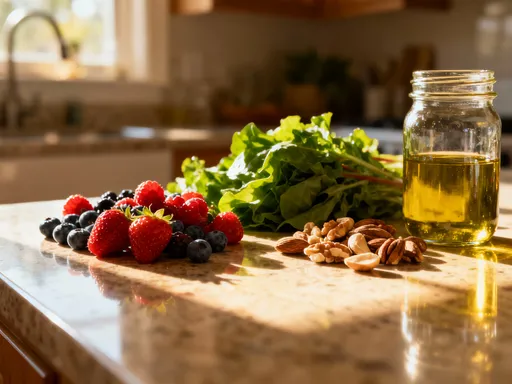
Some foods have earned their reputation as anti-aging powerhouses through decades of research. Berries, especially blueberries and strawberries, are rich in anthocyanins, potent antioxidants that protect brain cells and improve circulation. Leafy greens like spinach and kale provide lutein and zeaxanthin, which support eye health, as well as folate and vitamin K, important for bone and heart health. Nuts, particularly almonds and walnuts, offer vitamin E and healthy fats that nourish the skin and support cognitive function. Fatty fish such as salmon, mackerel, and sardines are excellent sources of omega-3s, which have been shown to reduce inflammation and support joint and heart health.
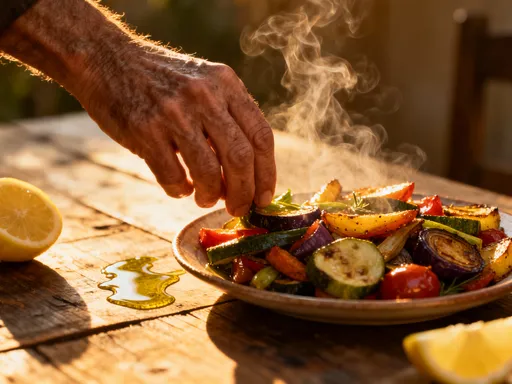
Olive oil, a staple of the Mediterranean diet, contains oleocanthal, a compound with anti-inflammatory properties similar to ibuprofen (though naturally occurring and without side effects). Using extra virgin olive oil in salads or low-heat cooking can be a simple way to incorporate this benefit. Green tea is another well-researched option, containing catechins that protect cells and may improve metabolic health. These foods don’t need to be exotic or expensive—they are accessible and can be incorporated into everyday meals with minimal effort.
On the flip side, certain foods accelerate aging by promoting inflammation and oxidative stress. Refined sugars, found in sodas, pastries, and many packaged foods, cause rapid spikes in blood sugar, leading to glycation—a process where sugar molecules attach to proteins like collagen, making them stiff and less functional. This contributes to wrinkles and loss of skin elasticity. Processed meats such as sausages, bacon, and deli meats contain advanced glycation end products (AGEs) and preservatives like nitrates, which have been linked to increased inflammation and cellular damage. Trans fats, once common in margarines and fried foods, are now largely banned but may still appear in some processed snacks; they impair blood flow and increase the risk of chronic disease.
The good news is that small swaps can make a big difference. Instead of butter or margarine, try mashed avocado on toast. Replace sugary breakfast cereals with oatmeal topped with berries and nuts. Swap soda for sparkling water with a splash of lemon or lime. Choose grilled chicken or beans instead of processed lunch meats. These changes don’t require giving up favorite meals—they simply upgrade them. Over time, the body responds with more energy, clearer skin, and improved resilience. The key is consistency, not perfection. Even making these swaps a few times a week can begin to shift the body’s aging trajectory in a positive direction.
Building Your Daily Anti-Aging Plate
Putting anti-aging nutrition into practice starts with building balanced meals that combine protein, healthy fats, fiber, and colorful vegetables. A typical day might begin with a breakfast of Greek yogurt with mixed berries, chia seeds, and a sprinkle of walnuts. This meal provides probiotics for gut health, antioxidants from the berries, omega-3s from the chia and walnuts, and protein to keep you full. Alternatively, scrambled eggs with spinach and tomatoes, cooked in a small amount of olive oil, offer high-quality protein, lutein, and healthy fats—all in under 10 minutes.
Lunch could be a large salad with mixed greens, grilled salmon or chickpeas, cucumbers, bell peppers, olives, and a dressing of olive oil and lemon juice. This combination delivers fiber, plant-based or marine protein, antioxidants, and heart-healthy fats. For dinner, consider roasted sweet potatoes with sautéed kale and baked chicken or tofu, seasoned with herbs and garlic. The sweet potatoes provide beta-carotene, the kale offers vitamin K and fiber, and the protein supports muscle maintenance, which naturally declines with age. Snacks can include an apple with almond butter, a handful of mixed nuts, or carrot sticks with hummus—simple, satisfying, and nutrient-dense.
Meal prep doesn’t have to be time-consuming. On weekends, roasting a batch of vegetables, cooking a pot of quinoa or lentils, and grilling a few chicken breasts can save time during the week. These components can be mixed and matched into different meals, preventing boredom. Using mason jars for salads or portioning snacks into containers makes healthy choices convenient, even on busy days. The goal is not to eat perfectly every day but to make the healthy choice the easy choice. When nutritious meals become routine, the benefits accumulate—better digestion, more stable energy, and a stronger sense of well-being.
Beyond the Plate: Lifestyle Habits That Boost Results
Diet is powerful, but it doesn’t work in isolation. Sleep, stress management, and physical activity are equally important in the anti-aging equation. Poor sleep disrupts hormone balance, increases inflammation, and impairs the body’s ability to repair tissues. During deep sleep, the body releases growth hormone, which supports skin renewal and muscle recovery. Chronic sleep deprivation has been linked to accelerated skin aging and cognitive decline. Aim for 7 to 8 hours of quality sleep per night by maintaining a consistent bedtime, reducing screen time before bed, and creating a calming evening routine.
Chronic stress is another silent accelerator of aging. When stress hormones like cortisol remain elevated, they break down collagen, increase blood sugar, and suppress immune function. Mindfulness practices such as deep breathing, meditation, or gentle yoga can help regulate the stress response. Even taking a few minutes each day to sit quietly, focus on your breath, or enjoy a cup of herbal tea can make a difference. Physical activity also plays a vital role. Regular movement improves circulation, supports joint health, and enhances mood. A simple 20-minute walk after meals can aid digestion, stabilize blood sugar, and reduce inflammation. Strength training two to three times a week helps preserve muscle mass and bone density, both of which decline with age.
Mindful eating is another supportive habit. Slowing down during meals, chewing thoroughly, and paying attention to hunger and fullness cues can improve digestion and prevent overeating. It also enhances the enjoyment of food, turning meals into moments of nourishment rather than rushed chores. These lifestyle habits work synergistically with diet—when combined, they create a powerful foundation for healthy aging. You don’t need to do everything at once. Start with one small change, like walking after dinner or drinking an extra glass of water each day, and build from there.
Staying Consistent Without Perfection
One of the biggest obstacles to long-term success is the expectation of perfection. No one eats perfectly every day, and that’s okay. Holidays, family gatherings, and stressful weeks will inevitably include less-than-ideal food choices. The key is not to let these moments derail your progress. Guilt and shame only make it harder to return to healthy habits. Instead, practice self-compassion. Acknowledge that balance is part of a sustainable lifestyle. If you enjoy a piece of cake at a birthday party, savor it without judgment, then return to your routine at the next meal.
Planning ahead can help maintain consistency. If you know you’ll be at a restaurant or event, look at the menu in advance or eat a small, healthy snack beforehand to avoid arriving overly hungry. Keeping healthy staples on hand—like frozen vegetables, canned beans, or pre-washed greens—makes it easier to prepare a nutritious meal even when time is short. During stressful periods, focus on maintaining core habits: drinking water, eating some form of protein and vegetables, and getting enough rest. Progress is not measured by flawless days but by the overall pattern over time.
Remember, the goal is not to stop aging—that’s impossible and unnecessary. The goal is to age well, with energy, strength, and resilience. Small, consistent choices compound over years, leading to noticeable differences in how you feel and look. You don’t have to adopt every suggestion at once. Start with one change—perhaps adding a serving of vegetables to lunch or swapping out a processed snack—and build from there. Over time, these choices become second nature, and the benefits become part of your daily life.
Anti-aging is not about chasing youth or conforming to unrealistic standards. It’s about honoring your body and supporting it with care. The simplest choices—what you eat, how you move, how you rest—have the deepest impact. With a realistic, compassionate approach, anyone can build a lifestyle that promotes long-term health and vitality. Always consult a healthcare professional before making major dietary changes, especially if you have underlying health conditions. This journey is personal, but you don’t have to go it alone. Support from family, friends, or a registered dietitian can make all the difference. By focusing on sustainable habits, not quick fixes, you invest in a future that’s not just longer, but richer and more vibrant at every age.